
Dead Weight, or: a Goblin Overboard and I’ll Take Another One
2026-08-22
I like roguelites. I also like turn-based games, and the first two Fallout titles still hold a special place in my heart. So when I discovered that Dead Weight combines a procedurally generated adventure, tactical battles inspired by Final Fantasy Tactics, steampunk and pirates travelling aboard a flying ship, I did not need much time to think about it.
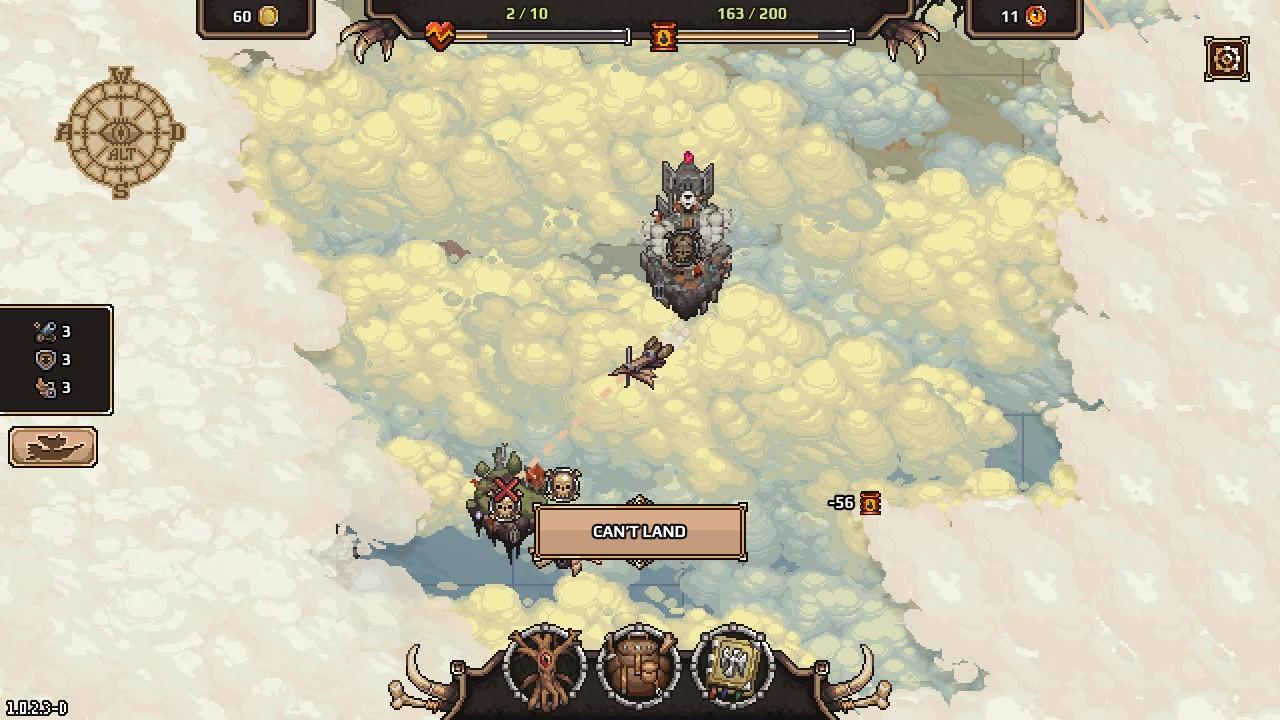
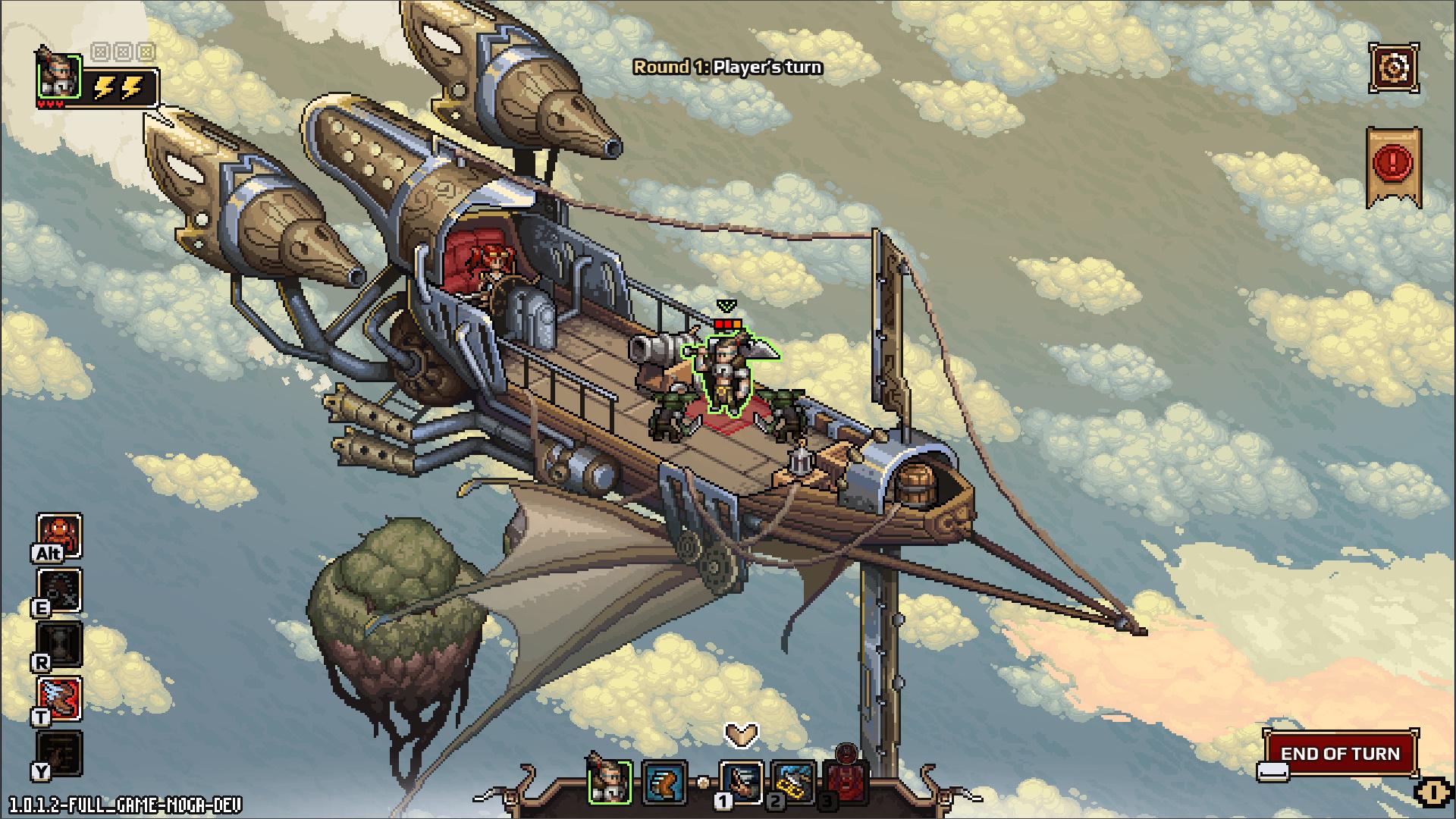
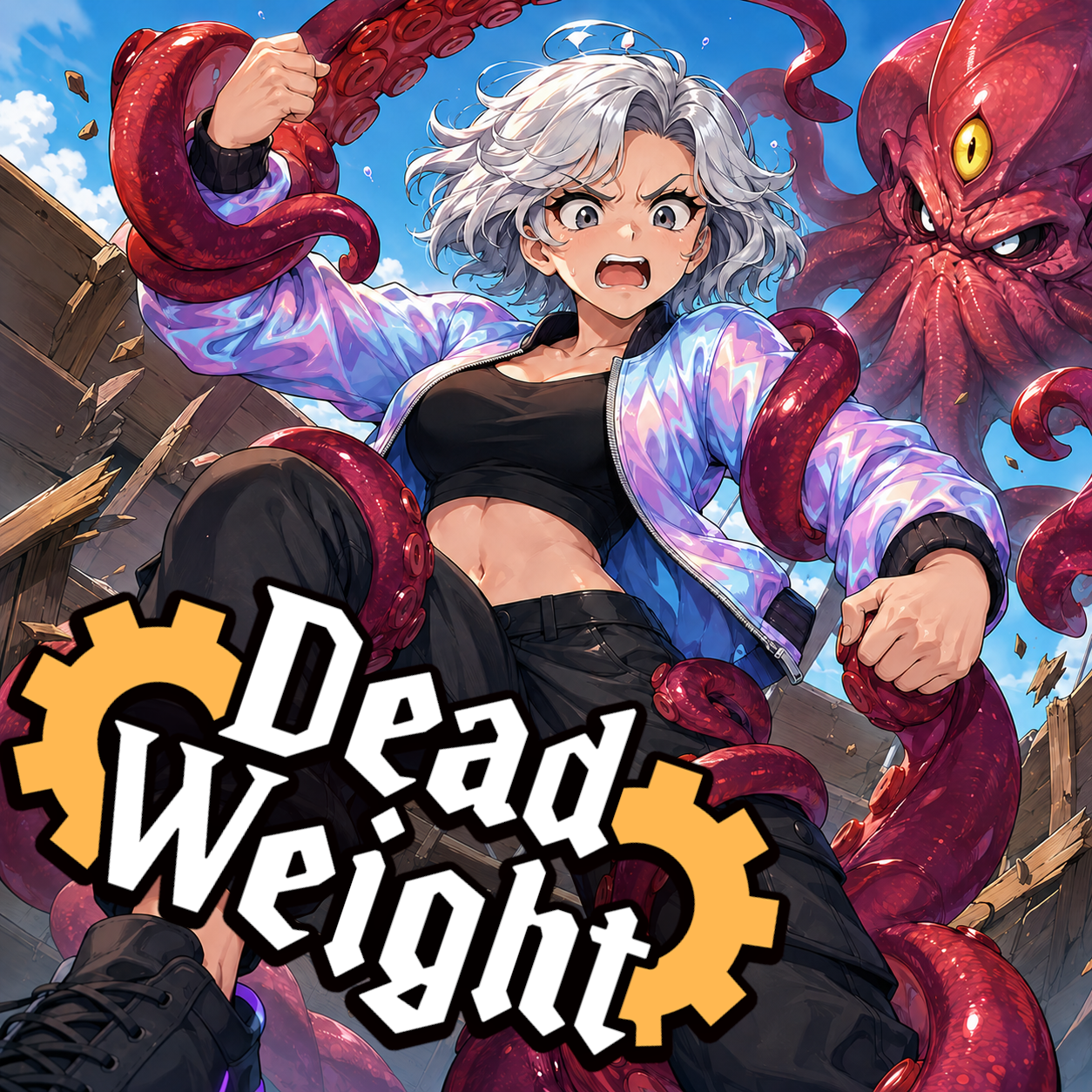
In Dead Weight, we take command of a small crew exploring a steampunk world made up of floating islands. We travel between them aboard an airship, manage our fuel supply, collect equipment, develop our characters and solve problems through diplomacy.
I am joking, of course. Most problems are solved by hitting goblins with whatever happens to be within reach.
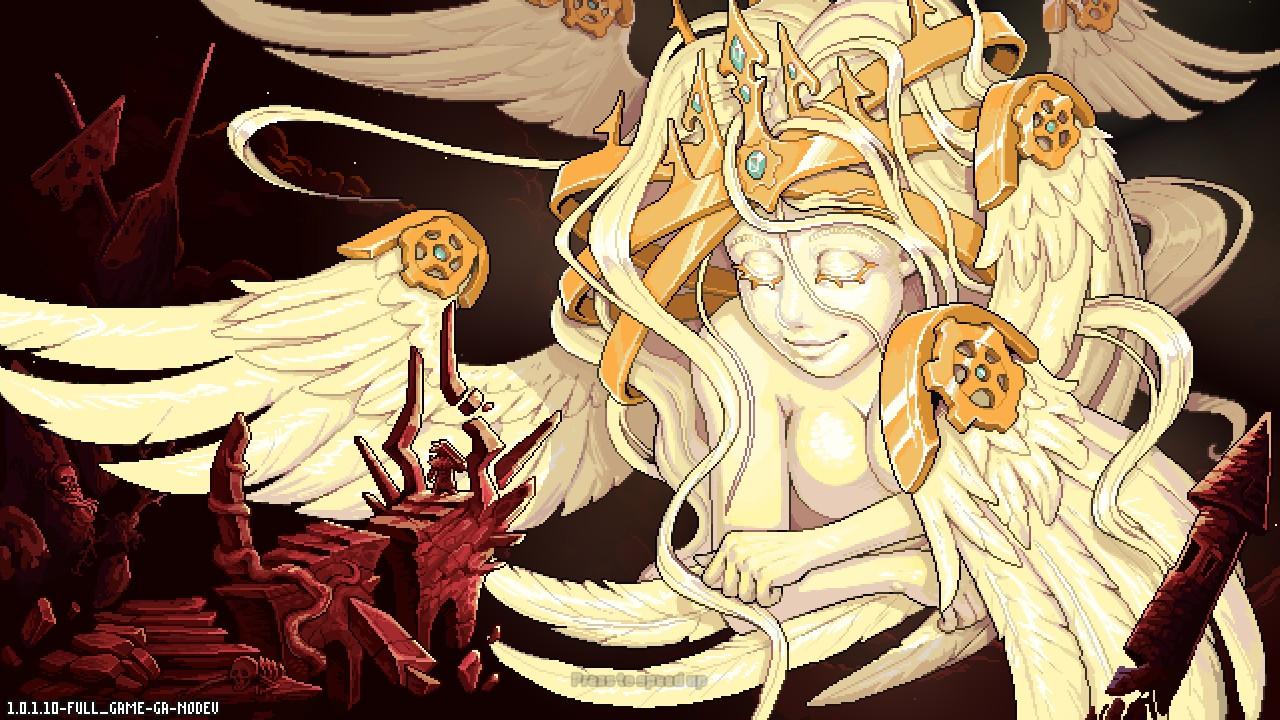
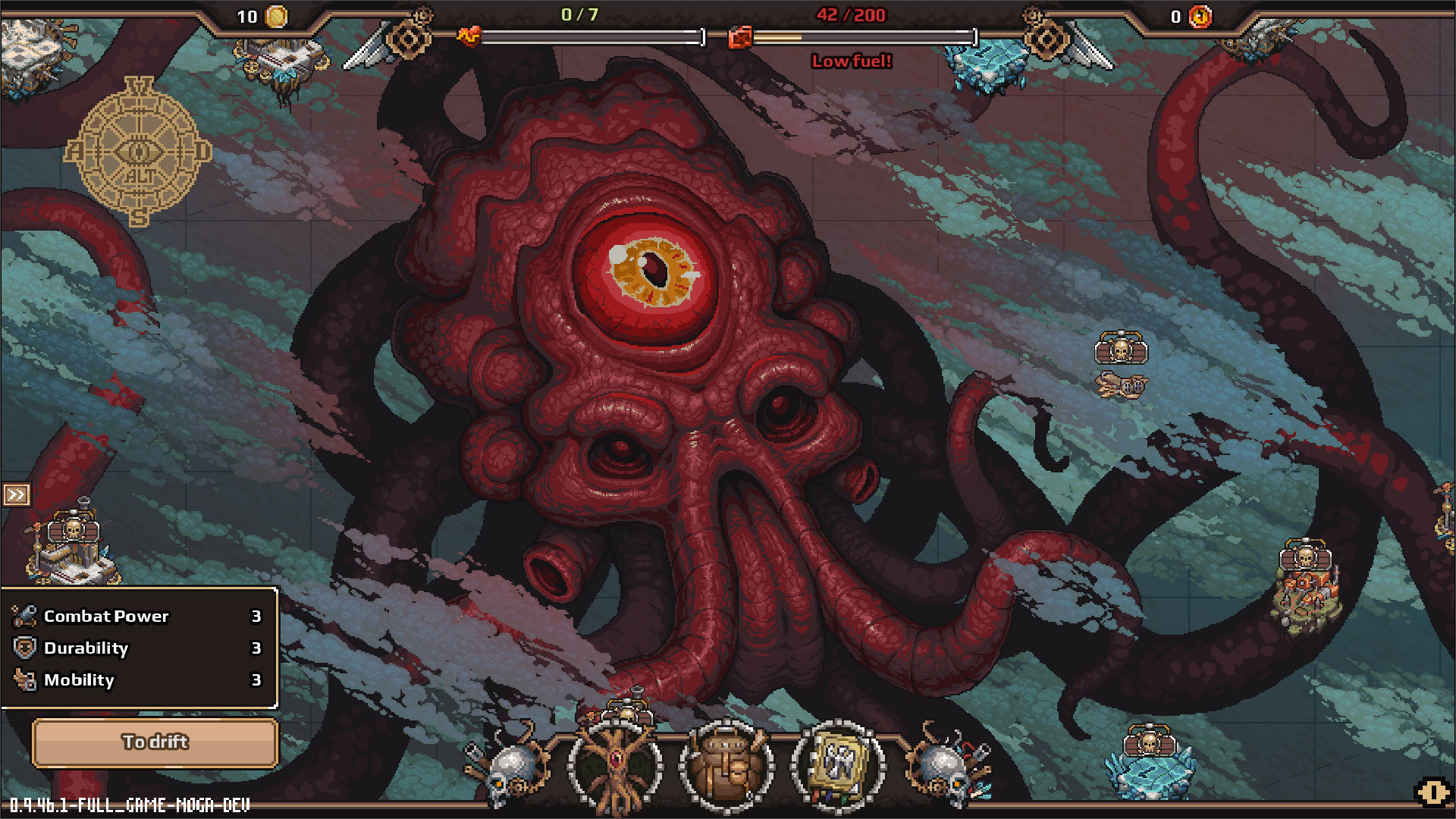
Ancient Gods watch over this world, and we can choose how to approach them. We may challenge them, but we can also become their followers and accept the supernatural powers they offer. This Lovecraftian theme works surprisingly well with the steampunk setting. Dead Weight may not have the most elaborate RPG universe ever created, but its world has enough personality to make me curious about what awaits on the next island.
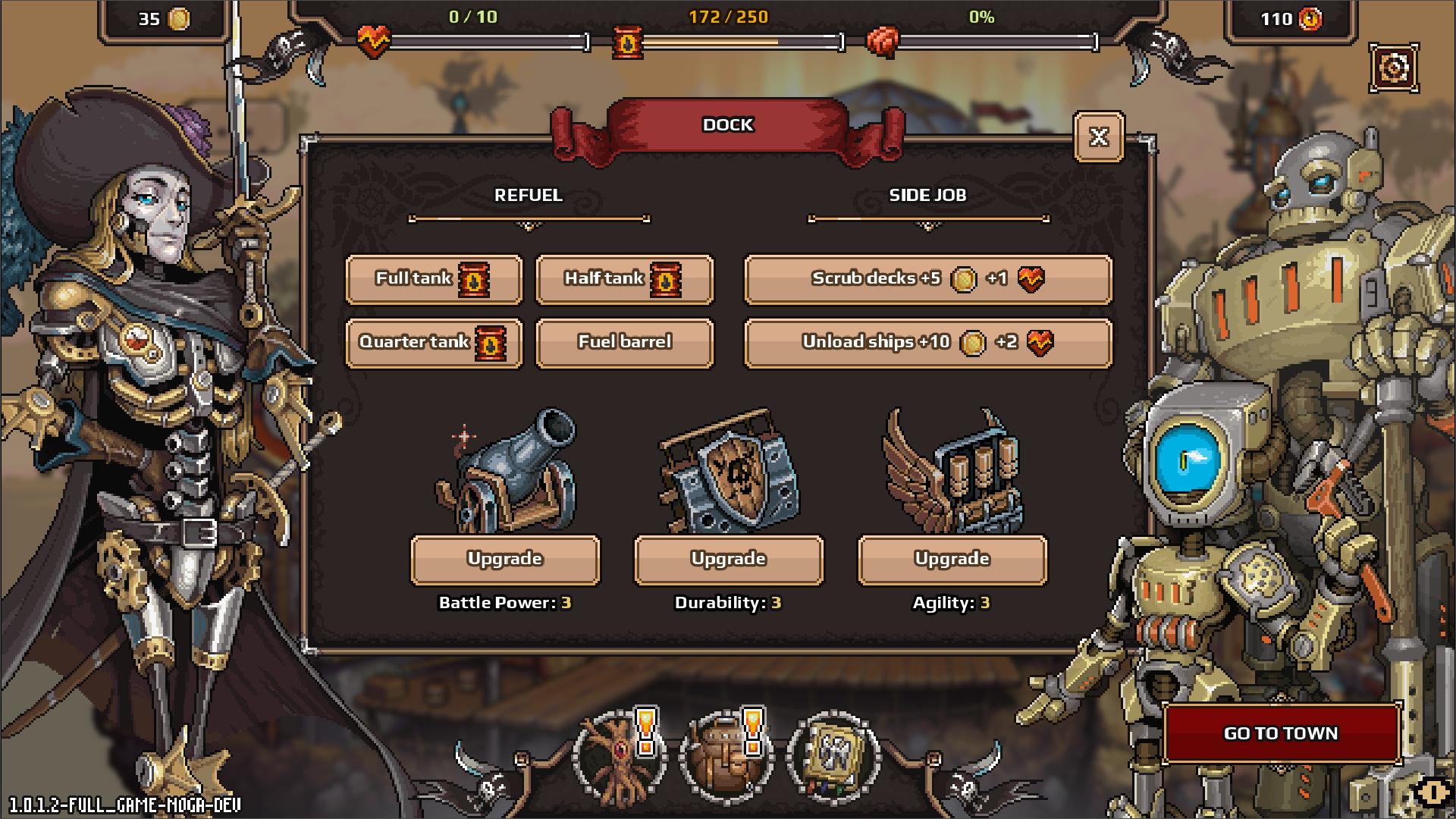
Procedural generation means that each expedition features a slightly different arrangement of locations, events and equipment. However, the familiar rhythm of the genre remains clearly visible: exploration, combat, loot, character development, risk and another attempt.
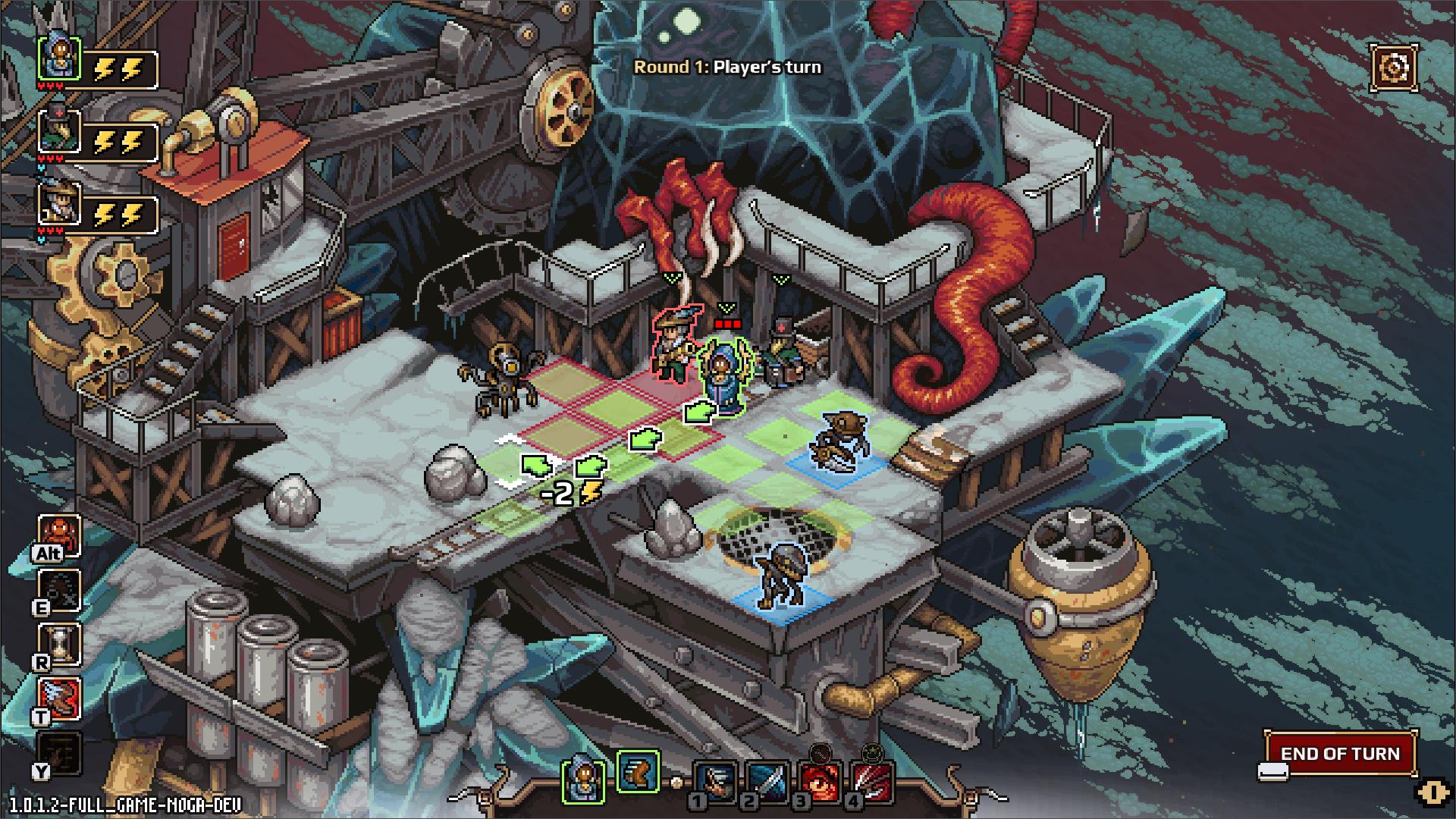
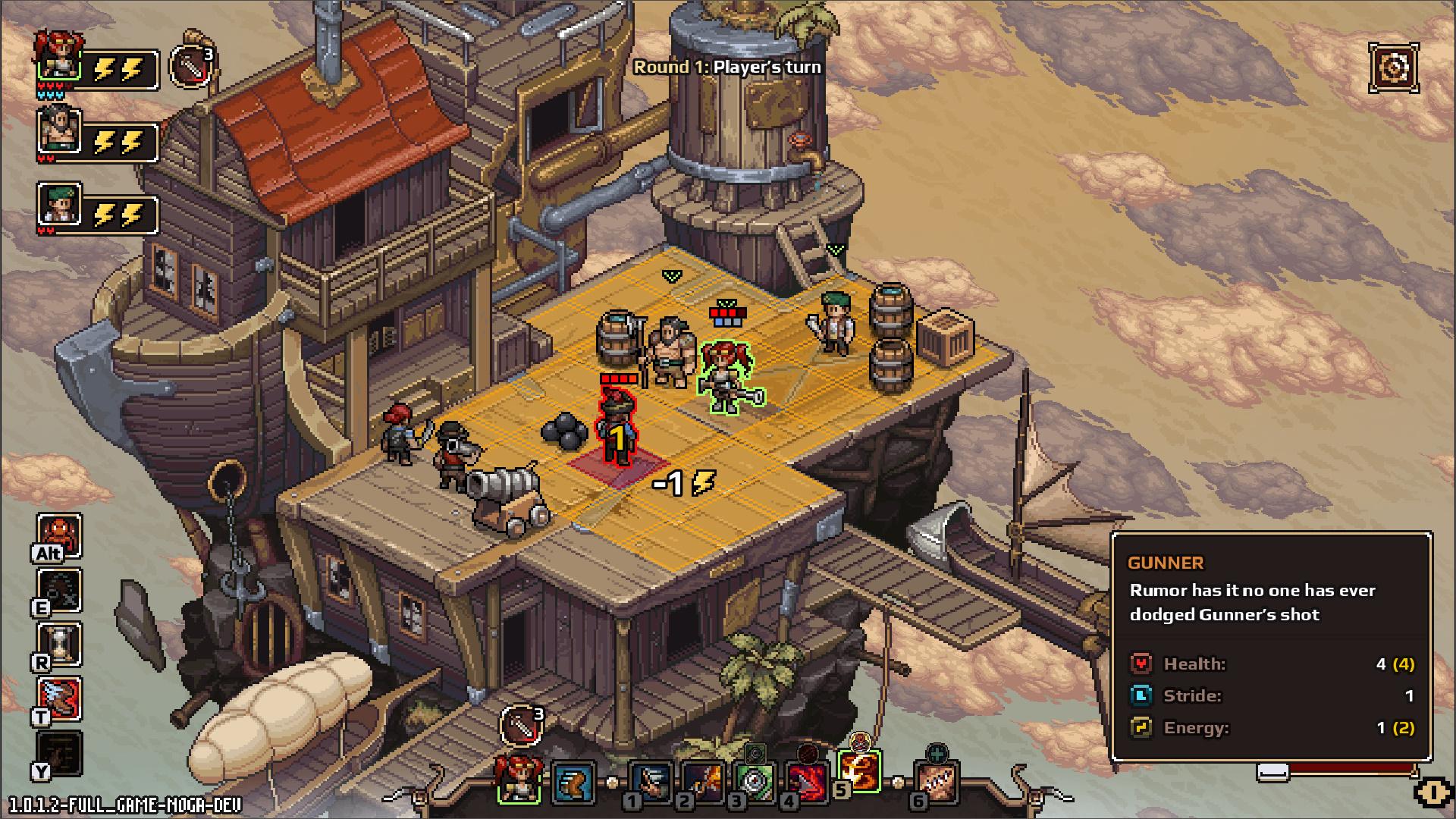
Combat takes place in turns on small isometric arenas divided into square tiles. The limited space is not a weakness. Quite the opposite, as it makes nearly every character position important.
Each hero has a different set of abilities, which can be developed through classes, skills and collected equipment. Creating custom builds is satisfying, especially when their individual parts finally begin working together and a previously dangerous group of enemies turns into a collection of extremely unfortunate training dummies.
The most important mechanic?
Being able to push enemies off the islands.
It is genuinely difficult to describe the joy of watching a goblin disappear over the edge of the battlefield. It does not matter what statistics they had, how many health points remained or how confident they were about their victory. One well-placed move and they begin an accelerated flying course without an airship.
It is a small feature, but it uses the arena design brilliantly and adds another spatial layer to tactical planning. Sometimes an endless abyss is more effective than the finest sword.
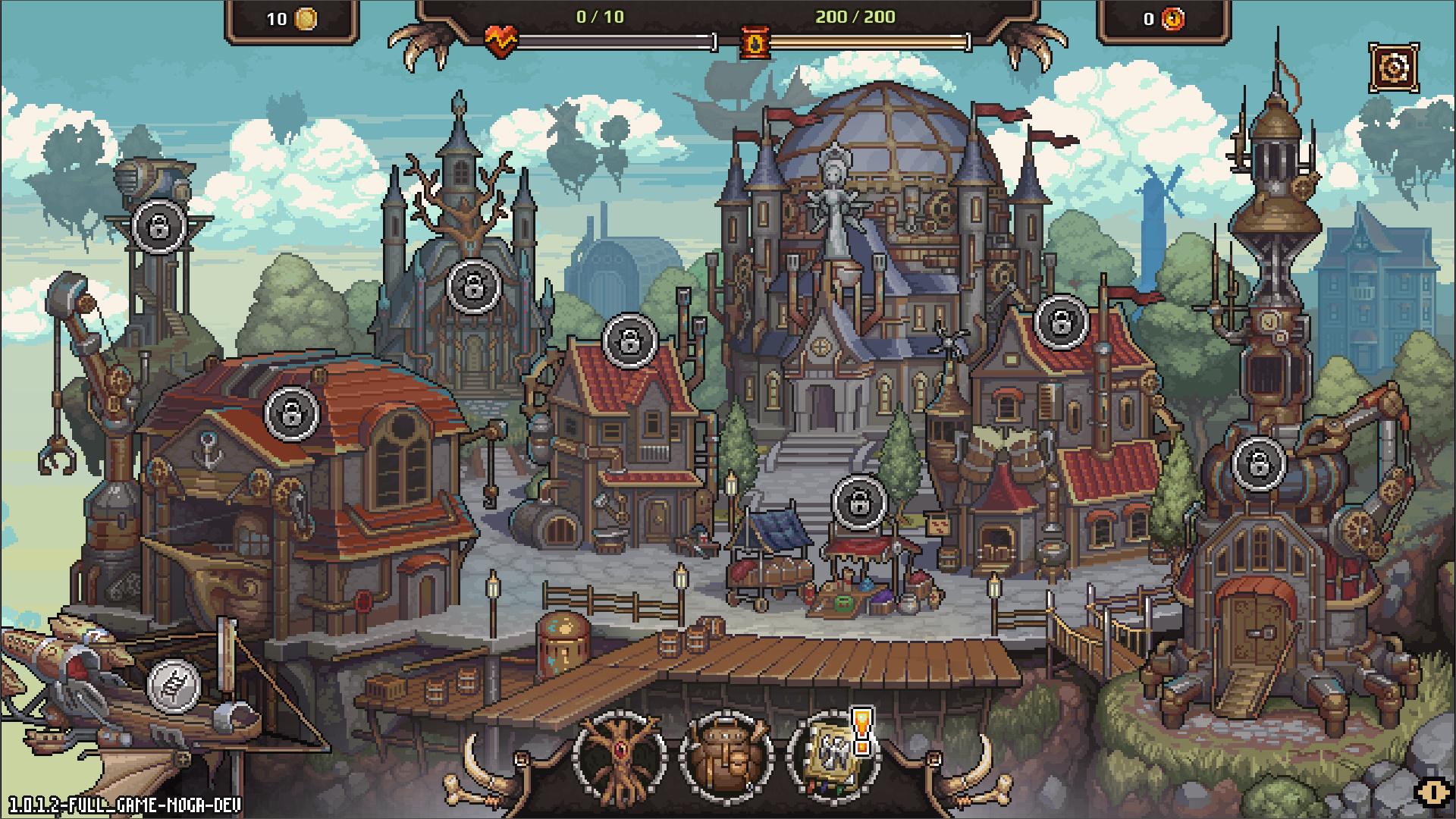
Dead Weight looks beautiful. Its detailed isometric pixel art perfectly complements both the tactical battles and the steampunk world. The floating islands, machinery, ships and character designs form a consistent visual identity that immediately caught my attention.
I am not alone in thinking this. Players frequently mention the artwork as one of the game’s greatest strengths. Discussions on the internet praise its detailed, old-school pixel art, while some opinions highlighted the steampunk art direction as one of the strongest elements behind the game’s first impression.
I completely agree. Dead Weight initially sells its world through its appearance, then keeps the player interested with its combat system.
However, this needs to be said clearly: Dead Weight does not attempt to turn the genre upside down.
If you have already played several roguelites, most of its structure will feel familiar. A procedurally generated map, repeated runs, random events, build development and gradually learning the game’s systems are all parts of a thoroughly tested formula.
Dead Weight takes that formula and places it within a fresh and genuinely attractive setting. I do not consider that a serious criticism. Not every game needs to reinvent the wheel, especially when it can decorate that wheel with brass pipes, attach it to an airship and send it into battle against Ancient Gods.
Some players point out that combat can initially feel slow or slightly clunky. According to some opinions, it eventually becomes much more challenging, dynamic and rewarding. Other recurring criticisms concern the similarity between later gameplay loops and a story that does not fully use the personalities of its crew members.
I understand those criticisms. The heroes have their own playstyles and visual identities, but they desperately need more interactions, conversations and meaningful reasons to participate in the journey. They are mechanically interesting, yet the story could give them much more room to develop.
The issue of repetition depends heavily on your tolerance for the core roguelite loop. If repeated attempts and refining character builds are rewarding enough on their own, it probably will not become a major problem. If you expect a constant stream of entirely new mechanics, Dead Weight may begin going in circles much sooner.
Is It Worth Boarding the Ship?
Definitely, provided that you enjoy turn-based tactics, roguelites, pixel art or steampunk. Ideally, you should enjoy all four at once.
Dead Weight does not revolutionise its genre, but it combines familiar ideas into a coherent, atmospheric and highly engaging adventure. Its tactical battles can be genuinely satisfying, character development encourages experimentation and the artwork ensures that discovering new islands remains enjoyable for a long time.
The overall player reception is also clearly positive. At the time of writing, Dead Weight has a “Very Positive” rating on Steam, with approximately 84 percent of user reviews recommending the game. However, it is still worth keeping the repetitive later stages, relatively modest story and somewhat slow beginning of the combat system in mind.
For me, the greatest strength of Dead Weight is that it knows exactly what it wants to be. It does not pretend to be a revolution. It delivers a familiar formula inside a fresh world, supported by beautiful pixel art, enjoyable crew development and goblins that can be pushed into an endless abyss.
And sometimes that is everything I need to be happy. 😌

Comment section (GitHub account required)
Giscus comments are disabled until you allow external content.